What's New
BY Sarah Patterson June 26, 2026
What's New November 6, 2025
Rehabilitative radio: Helping young men in custody find their voice
Reporter
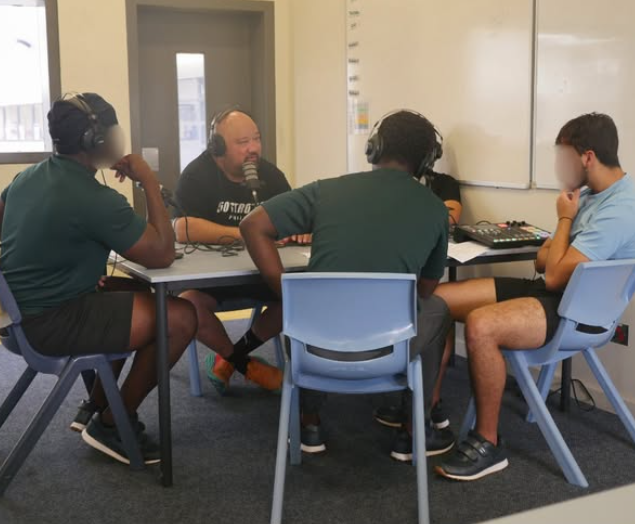
An Australian-first rehabilitative radio program is helping young people in custody find their voice, develop the necessary skills transform their lives, and ultimately reduce their risk of reoffending.
‘Futures Radio’ is a pilot program at Cobham Youth Justice Centre in Sydney’s west.

It is the brainchild of Musicians Making a Difference (MMAD) and is available 24/7 via Cobham’s internal TV system.
MMAD Co-Founder and developer of the Futures initiative Dominic Brook says the program has been nothing short of inspiring.
As part of his job as a youth officer at Cobham, Gavin Laing – who is also a presenter at SWR 99.9fm – has been overseeing the program, which has been running since February this year.
Gavin tells Radio Today “The ‘young people’ (that’s the official term we use to describe kids in custody in a general manner) pre-record a weekly one-hour program where they interview current staff, special guests in the centre or some weeks have a general discussion about TV shows, footy or things happening in the news.”
“The mentors from MMAD (usually Dominic Brook) and sometimes supervising staff (usually myself) will sit in during the general discussion sessions and throw in some thought-provoking questions. For example: Rather than just complain about politics or things happening in The news, we ask for how they would do things better, or challenge them to take an alternative view.”

This leads to some very interesting discussions based on the lived experience of the young people.
There are three presenters in the group at any one time.
“One of our former presenters was released about 2 months ago and still remains in touch with MMAD, who have helped him get a job,” says Gavin.
“He’s doing really well.”
“The guys from MMAD take the recording via the memory card, edit it remotely, drop in some music then add it to their play out software where it’s scheduled to be played twice a week – during times when the young people are in lockdown in their rooms.”
Gavin says one former presenter described the set up as ‘the ultimate captive audience.’
MMAD controls the scheduling and play out software remotely.
“The stream is sent to a computer in our centre and played through our in-house TV system which is accessed in every young person’s room,” Gavin explains.
Then the young people learn the practical skills like setting up microphones, using phantom power, feedback and volume levels.
In the coming weeks, some will also learn how to edit audio and multitrack.
“They also learn presenting skills like interviewing, researching their guests and compiling questions, coming up with follow-up questions on the run, keeping the conversations flowing and being organised without sounding too scripted and robotic,” says Gavin.
The experience has helped the boys hone their conversation skills.
“They have learnt to listen carefully to people they are taking to as well as using open-ended questions.”
The presenters are responsible for getting feedback from young people who aren’t on the program as to what kind of music and content they like.
“They like upbeat music and training tips in the morning, chill-out music at night and music requests across the weekend,” says Gavin.
The young people submit lists of songs for requests that are heavily filtered by the MMAD crew for appropriateness before going to air.
“This was initially a hard sell,” says Gavin.
“But over time, the young people understand what’s appropriate and have really bought into the concept.”
The program is already getting industry support from the likes of Michael ‘Wippa’ Wipfli – the Nova Sydney Breakfast host having spent time with the young men, discussing the realities of working in radio.
The ‘Futures’ initiative will be reviewed by MMAD and Youth Justice at the end of the pilot period with a view for it to expand to other Youth Justice centres.
Main image: NSW Department of Communities and Justice Facebook page
Recent comments (0)
Post new comment