What's New
BY Sarah Patterson June 27, 2026
What's New October 16, 2025
Don’t cop an earful
Reporter
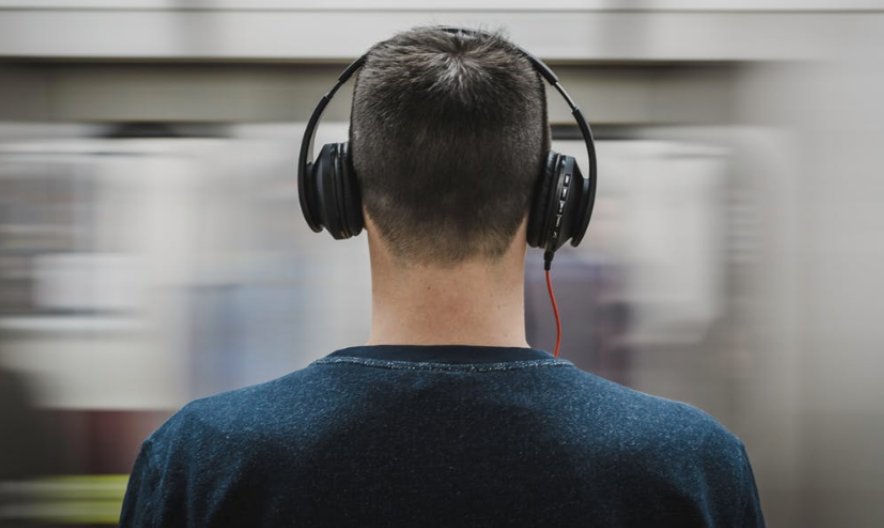
When I worked as a radio newsreader, I was constantly – if not literally – blown away by how high some of my on-air colleagues turned up the volume in their headphones.
How many times have you popped on a pair of cans after somebody else has been in the studio, fired up the panel and nearly blasted yourself to kingdom come?
Lucky you didn’t burst an eardrum, right? But the dangers run deeper than that.
It’s no secret that working in radio can pose a risk of temporary or even permanent hearing loss, due to prolonged exposure to loud noise.
Just ask Eddie Olek, Senior Commercial Producer at SEN, who lives with tinnitus.
“Yes I do.” Eddie tells Radio Today. “It’s a horrid ringing in the ears that comes and goes, which was as a result of wearing headphones for over 30 years when I was either pulling an on-air shift or panelling for someone else. You’d tend to turn the cans up more and more the longer the shift dragged on because of ear fatigue.”
Eddie’s radio habits have long since changed. His headphones have gone by the wayside.
“The only time I wear cans these days is if I’m teching live sport, simply because I have to balance the mix back to the studio. Otherwise, I avoid them.”
“As a youngster, what I should have done is simply turned them down, but we’re all infallible when we’re young … or so we think.”
I was once told the tale of a late night radio announcer at a rock station of the 90s who asked the techs to install an additional amp in the headphone socket so the volume in his cans was even louder to ‘keep the vibe of the show.’
Very Nigel Tuffnel from Spinal Tap.
How loud is dangerous? Any exposure above 140 decibels could instantly damage our hearing.
To give you an idea: 60 decibels is the equivalent of a conversation being had in the office. 70 is similar to the noise level of a shower or dishwasher.
Lemmy from the legendary British heavy metal band Motorhead once joked that they were so loud, “If we moved next door to you, your lawn would die.”
And at a nightly 130 decibels, he was probably right.
140 decibels? Now you’re in sledgehammer territory.
The jury is out on whether headphones are better or worse for your ear health than ear buds or earpieces, both of which have become practical and fashionable accessories in this era of radio with cameras.
You may have noticed that some optical retailers now offer to check our ears as well as our eyes.
At my most recent visit to the optometrist, I was asked Would you like to have your hearing checked, too?
Probably a waste of time, I thought. My hearing’s fine (I thought). But, sure – why not?
If you haven’t already had this test yourself, here’s how it works: You put on a pair of headphones, listen for noises and as soon as you hear them, you hit the button in front of you.
Flying through the test, pushing that button like a boss, I was smug as. I have ACED this (I thought).
In fact, I’d failed. Dismally. Prompt further investigation of my hearing (or lack thereof) was recommended.
It’s a running joke that my husband is always asking me “Are your ears painted on?” But in hindsight, all the obvious signs of hearing loss stuck out like a neon sign: Always needing subtitles when I watch Netflix. Leaning toward the dashboard to hear the car radio. Straining to hear conversations, even in quiet surrounds.
Studio headphones or buds are a slow creeper. I don’t remember boosting the volume in my headphones back in the day. But perhaps I did.
So take it from someone who now is very conscious of headphone levels and the damage they have done.
It’s never too late to change.
This article is brought to you by Radio Release.

Recent comments (0)
Post new comment
Related news
What's New
BY Sarah Patterson June 26, 2026