What's New
BY RadioToday Network June 30, 2026
What's New January 20, 2025
When should a radio station throw its format out the window?
Reporter
“Hey KIIS-FM Los Angeles … what are you even doing?”
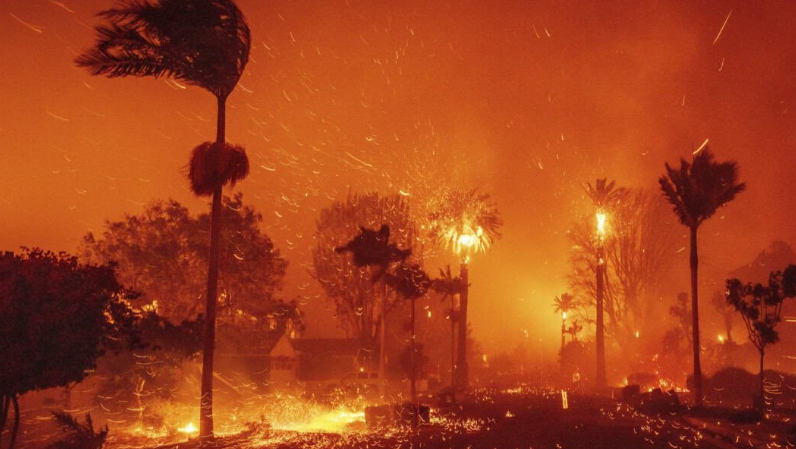
As deadly wildfires tore through southern California, torching thousands of LA homes, one local music station recently copped criticism from listeners who accused it of remaining in ‘business as usual’ mode instead of reflecting the unfolding disaster on-air.
The ensuing Reddit thread made for an interesting conversation starter:
“Why aren’t you just tossing your format out the window during the crisis?” asked one listener.
It could be argued that being relevant as a radio station means helping your audience. Taking calls. Being community leaders.
“If terrestrial radio is going to survive, you need to give back to your audience and the community, especially during times like these.”
Others believe the role of radio – particularly that of a music station – should be to offer an escape valve and a feeling of normality.
“Perhaps they want to give comfort to people by playing the music that they are used to hearing. People can get news anywhere.”
Why seek out a music station for information about the fires when there are plenty of news/talk options?

It’s an issue also hugely relevant to Australian radio, and SCA’s National News Operations Manager James Lake (pictured above) has strong feelings on the matter.
He tells Radio Today “Broadcasters should never be taking advantage of a catastrophe to be blowing their own horn, but use the opportunity to be good corporate citizens when their audience is in a time of need.”
“I have always felt the action of breaking from regular programming, breaking your format, even cutting off a song halfway through if you have to – is a great way to get the listener to lean in. Even if someone only has the radio on as background noise at home or in the car, the moment it falls silent or there’s an emergency siren playing, it’s going to grab attention. Same as when you’re not paying attention to the TV and suddenly it falls silent, you always look up.
Lake has discussed the merits of emergency broadcasting with colleagues across the industry many times before.
“There are still mixed views about the impact we can have,” he says.
“The argument can be made that everyone has mobile phones now, emergency apps and text alerts can do the job of warning people. If that’s our attitude, though, we should quit broadcasting now and let the mobile phones do the entertaining too.”
“Even if just one person, whose life is in danger, hears a warning on the radio and manages to escape to safety – isn’t it all worth it?”
*Fires photo credit: The Australia Institute
Related news
What's New
BY Sarah Patterson June 30, 2026


Given KIIS-FM is one of the biggest radio stations in LA (if not the biggest), it really should have broken format; but when most of its shows are networked to other markets, it’s difficult to drop and go local without causing major headaches for iHeartMedia and its affiliates.
KIIS Could have easily still fed the network from other talented people across the states. But didn’t They should have gone with a direct simulcast of their sister station KFI AM640. But didn’t. James is 100% Correct. you gotta break all the rules.
When hurricane Katrina happened every single radio station in New Orleans took the same feed, regardless of company ownership. All ownership united to for “United Broadcasters” and broadcasted from Baton Rouge… via WWL… all hosts and DJ’s from every station were placed in Baton Rouge all doing rotating shifts with the WWL News team running lead.
You had the AM Talk host on with the local hip hop morning show, then you’d have lunch coverage with the AC drive host and the Classic Rock night guy…they did this for weeks and it was compelling radio.
BREAK ALL THE RULES in an emergency… also sleep on your office floor (hey to all the radio hosts who live in cyclone zones
Everyone has a phone and access to streaming service. If radio wants to stay relevant it has to be local, current and informative.
If you’re music focused you have to be sharing stuff I can’t hear on my streaming service and giving me information I can’t get off any website. Sharing info you have access to simply because you’re in the industry and have the contacts.