Podcasting
BY Sarah Patterson June 25, 2026
Podcasting September 19, 2025
A matter of trust
Reporter

Whether you’re a radio host, journalist, podcaster or all of the above, there’s long been a common school of thought when it comes to conducting interviews: As long a guest knows they’re being recorded, anything they say is fair game.
Isn’t it?
Treating any recorded interview as if it’s live might seem the simplest and most effective approach, but the advent of social media and online notoriety has complicated the process.
When you’re a content creator and you’re trying to get noticed, there’s a fine line between going viral and burning your bridges completely.
Podcast hosts know the legal boundaries (at least, they should). But the moral obligation to a guest is not governed by any rule book, and when we actively choose to sacrifice a person’s feelings for a fleeting few seconds of online attention, the impact can last long after the dopamine hit has died away.

This week, Iain Duguid – host of the Work Experience Kid podcast (pictured above) – asked a very interesting question on LinkedIn:
Each of my podcast eps is approved by the guest. Is this unusual?
When Iain recently told one of his guests that he would send the edited episode over for their approval, they replied “That’s very professional of you.”
As Iain explains to Radio Today, the benefit of offering this extra layer of reassurance is that the guests get more involved in the project. It becomes easier to build rapport.
“They become more vulnerable and provide content that’s better than you ever expected.”
“We know that we’ll only publish content that will make our guests look and sound good. But they don’t know that. They see controversial clips online and think they’ll be the next meme, so they hold back.”
“By encouraging them to be part of the process, guests are no longer afraid to fail or sound stupid. They tell a story even after saying ‘I shouldn’t tell you this.’”
And not only have these people gone on to help Iain source other guests, they’ve gone out of their way to promote the podcast.
“This would never happen without showing respect,” Iain says.
Quite simply, Iain treats his guests in the way he himself would like to be treated.
“If I’m involved in a project, I expect to see the content before it goes live. The same goes for anyone involved in my work.”
“I have about four months’ worth of content in the can. The approval process is in my production workflow. Guests never ask you to delete the whole interview – just those few seconds that you didn’t edit out because you thought it was insignificant, but upon explanation you can see how it could cause a headache for the guest.”
“A mature creator understands that you might have to delete those three seconds that could have made you go viral.”
“Those with a chip on their shoulder say that they have integrity, that they shouldn’t have to run their content by anyone. They would never publish something that would land a guest in hot water.”
“Saying you have integrity is like saying you’re cool. It’s a red flag. If you actually have integrity, your guests will say ‘Thanks for the offer, but I trust you. Let me know when it’s live.’”
“There are instances where you would never seek approval (i.e. Trump on a hot mic) but outside of public interest, there’s no need to skip that step. Guests will become hard to come by and your projects will suffer.”
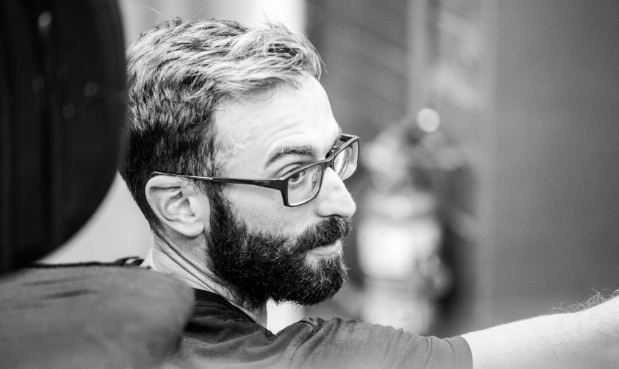
Iain’s philosophy is one shared by Jack Laurence, creator of the chart-topping True Crime podcast One Minute Remaining, in which he speaks with men and women who are incarcerated.
“Without exception, they all want the same thing – to go home,” Jack tells Radio Today.
That might be through an appeal, a pardon, or parole.
With people’s freedom potentially at stake, as far as Jack’s concerned, without trust, he doesn’t have a podcast.
“When they share their stories on my show, what they say can easily be taken out of context, misunderstood, or misinterpreted. This carries a very real risk of harming their legal chances. In the worst case, appearing on my podcast could even jeopardise their chance of release.”
Most of the people Jack interviews don’t have a means of hearing the show before it goes out or even after it has been released. For that reason, it’s not always possible to get a final approval.
However, whenever lawyers are involved in a case, Jack makes a point of reaching out to them.
“I first ask for their consent to tell the story. I then invite them to be involved, helping me understand the details of the case. I also share the finished episodes so they can flag anything that might put their client’s legal position at risk.”
“This is not because anyone is admitting guilt, but because the legal system is so complex that even seemingly harmless comments can be used against them.”
For Jack the benefit of this approach is simple:
“I want to build trust not only with the people whose stories I tell but also with the legal professionals who work alongside them.”
“The more I can show that I am not chasing sensational and shocking true crime stories but instead giving people a chance to share their side, the more likely I am to gain access to bigger cases.”
“In the prison world news travels fast. The story of an Australian podcaster who exploited someone would spread quickly. I know this because the story of an Australian podcaster who allowed people to tell their side without judgment has already travelled widely.”
“When I now approach other lawyers about potential stories, I can point to a long list of references including lawyers from innocence organisations, private investigators, former guests, and their families. That network of trust has become the foundation that allows me to continue telling these important stories.”
Jack says it’s also important to be clear about what exactly is being vetted.
“In the past, I have faced long lists of edit requests covering creative direction, music choices, and narrative elements.”
“Thesedays I make it clear from the start that approval relates to content and not to creative decisions.”
This article is brought to you by Radio Release.

*Images: LinkedIn and supplied
Recent comments (0)
Post new comment
Related news
Podcasting
BY Sarah Patterson June 25, 2026