What's New
BY Sarah Patterson June 23, 2026
What's New June 19, 2026
AUDIO ACADEMY | Ralph van Dijk on The Risk Of Being Boring in Advertising
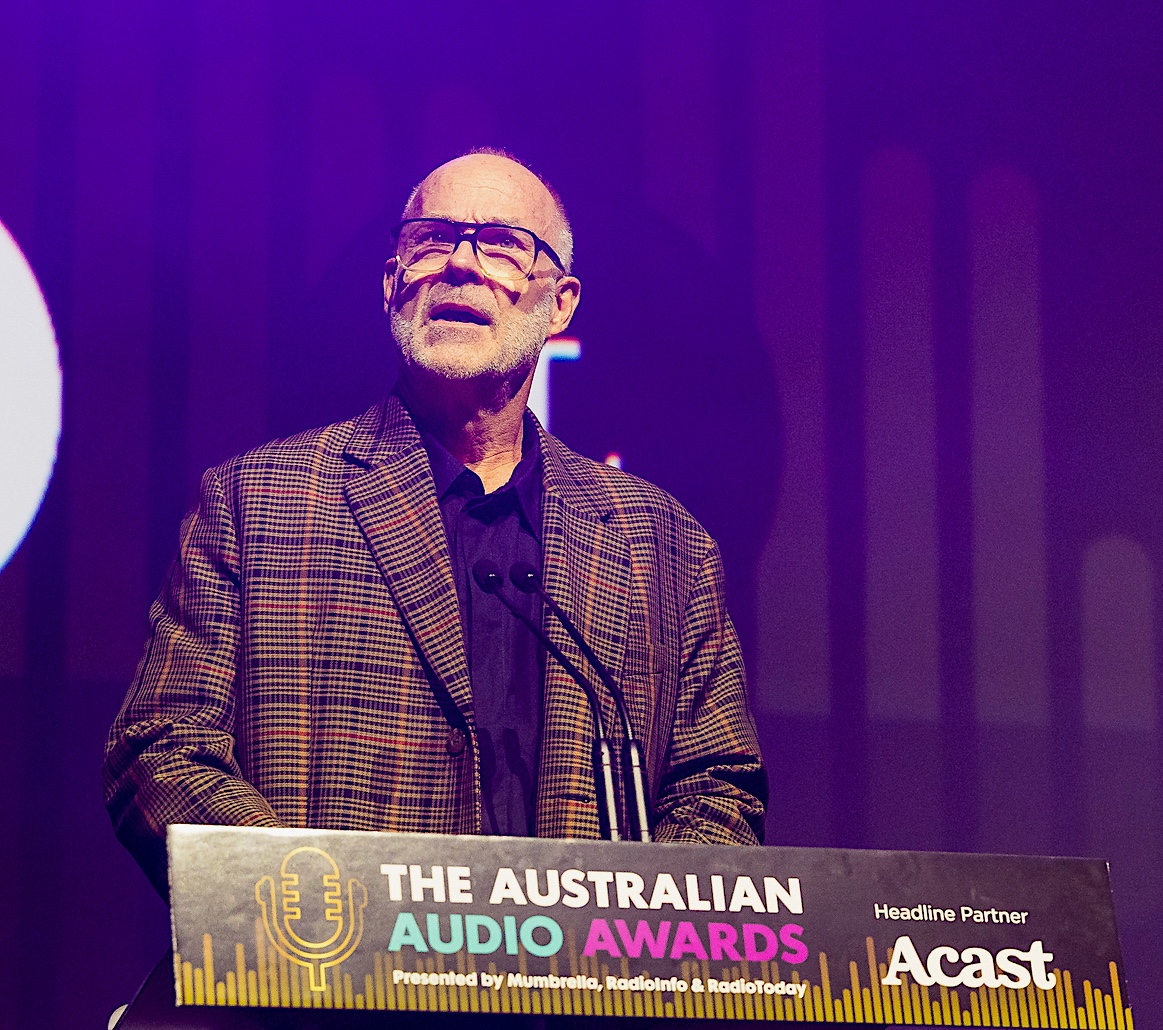
Audio Academy – a joint initiative of radioinfo and Abe’s Audio.
Learn from experienced professionals across the audio industry.
If you’ve spent any time around radio or podcast advertising, you’ve probably come across Ralph van Dijk.
As the founder of Eardrum, Ralph has spent more than three decades helping brands create audio that captures attention, changes behaviour, and drives results.
We sat down with Ralph to talk about listener psychology, copywriting, voice casting, sonic branding, and why so many audio ads are forgotten.
The Secret to Getting Listeners’ Attention
When asked what his go-to technique is for grabbing a listener’s attention, Ralph didn’t talk about clever sound design, expensive voice talent, or production tricks.
Instead, he talked about participation. One of the biggest breakthroughs in his career came when he realised that listeners need to become part of the experience.
“The listener has to be the co-author,” he explains.
Whether that’s imagining a scene, finishing a thought, visualising a character, or simply becoming curious about what’s coming next, the best audio advertising invites listeners into the story rather than talking at them.
It’s a subtle distinction, but an important one, because when listeners participate mentally, they stop being passive consumers and become active participants.
Once you’ve achieved that, you’ve earned something incredibly valuable: attention.
Why Most Audio Advertising Gets Ignored
Ralph didn’t mince words when talking about the current state of audio advertising.
His biggest frustration? Boring ads. “Why are all the ads so bloody boring?” he asks.
According to Ralph, the problem often starts long before production. Many ads are written before anyone has actually found an idea. Then the brief arrives. The writer starts typing, and what comes out is often little more than a rewritten version of the client’s key messages.
Yes, the ad technically contains all the right information. It ticks every box. It sails through approvals. But then it completely disappears from memory.
The audience doesn’t care because it was never given a reason to. The irony is that these campaigns often fail not because radio or podcast advertising itself doesn’t work, but because the creative writer never gave listeners anything worth paying attention to in the first place.
A Common Mistake Writers Make
One trend Ralph notices regularly – particularly when judging creative awards – is writers becoming obsessed with the medium itself.
For example, a radio ad that opens with a phrase like: “This is the sound of…” To Ralph, that’s missing the point entirely. Listeners already know they’re hearing audio. The fact that sound exists isn’t an idea – it’s simply the vehicle.
Great audio advertising is memorable because it creates emotion.
The sound should support the idea, not become the idea itself.
The Real Skill Behind Great Copywriting
One of the most interesting parts of our conversation centred around creative briefs.
Every client thinks all of their brief is important. And to be fair, they’re usually right. The challenge is that a 30-second commercial simply can’t communicate everything. But that’s where experience comes in.
Ralph believes the best writers develop an ability to identify the single most important message hidden inside a brief and build the entire concept around it. It’s the thing listeners are most likely to care about. Once the writer has found that single idea, everything falls into place.
And if there are five important messages? Ralph’s answer is simple:
Make five ads.
Why Authenticty Matters More Than Perfection
Perhaps the most fascinating part of the conversation was hearing how Eardrum approaches voice casting.
Unlike much of the advertising industry, Ralph isn’t searching for polished announcer-style voices. He’s searching for people who sound real.
That search has become something of an obsession within the business. The team constantly shares new voices they’ve discovered – in TV shows, theatre productions, films, comedy performances, and everyday life. Some eventually become regular performers, and others are simply filed away until the perfect project comes along.
What Ralph wants are voices that feel human.
Not perfect, overly polished, or aggressively cheerful.
Human.
The small hesitations, imperfections, reactions and pauses. Those are the things listeners recognise because they’re the things people actually do when they speak. And that’s what creates connection.
Great Direction Changes Everything
Finding the right voice is only half the job. The other half is helping that performer understand who they are.
Ralph approaches audio direction much like a film director approaches a scene. Rather than simply asking someone to “sound friendly” or “read it with energy,” he’ll give actors a complete emotional context.
Who are they? What happened before this moment? What are they feeling? What’s their motivation?
Even for a 30-second commercial, those details matter, because great performances don’t sound like somebody reading words.
They sound like somebody having a thought.
The One Thing Every Writer Should Do
If Ralph could give one piece of advice to aspiring audio writers, it would be this:
Stop writing for clients, start writing for listeners.
That’s not to say the client’s goals don’t matter – they do. But listeners don’t wake up wanting to hear advertisements. They listen to what interests them, and great audio advertising understands that reality.
The best writers spend time understanding who they’re talking to, what environment they’re listening in, what’s competing for their attention, and what might genuinely make them care.
Once you start thinking that way as a writer, you naturally write less, leave more space, trust the audience more, and your work becomes far more engaging.
Ralph’s Favourite Ads
Ralph has two ads that are among his favourites:
IKEA Holidays
Quit Victoria.
The Quit Victoria campaign didn’t just win awards; it worked.
The TV campaign had already created awareness around smoking and emphysema, but the radio campaign had a different role. It needed to make that message personal, stop talking about emphysema generally and start making individual smokers think about their own future.
That shift from awareness to relevance proved incredibly powerful.
According to Ralph, call volumes to Quitline increased by 115 per cent after the radio campaign launched. That’s the perfect example of what audio can do.
Listen to our full chat with Ralph here.
Recent comments (0)
Post new comment