What's New
BY Sarah Patterson June 2, 2026
What's New July 13, 2025
Pete Holland’s type 2 diabetes battle and his quest for equal treatment
Reporter
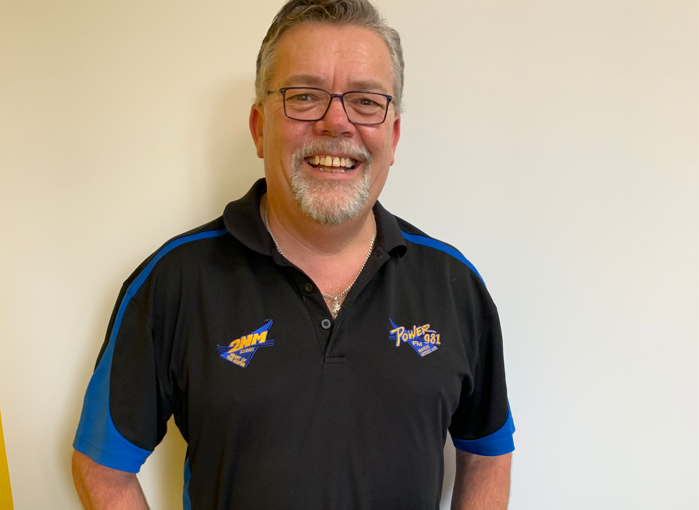
Pete Holland. Images supplied
Managing his insulin-dependent type 2 diabetes is a daily struggle for Pete Holland.
And the radio host from ARN’s 2NM in the Hunter Valley says it’s an issue made even harder by his inability to afford a Continuous Glucose Monitor (CGM).
“I hear about the life-changing benefits of CGMs from people with type 1 diabetes, including my daughter, all the time,” Pete says.
“I’ve seen first-hand how it helps them keep their blood sugar levels in check without the constant finger pricks.”
“But for me, it’s just not an option. It’s simply too expensive.”
Over the last decade, Pete’s diabetes has deteriorated to the point that he is now insulin dependent, requiring him to inject insulin multiple times a day, akin to someone living with type 1 diabetes.
Pete’s daughter, who has type 1 diabetes, follows an almost identical treatment regimen to her dad, but has been living with insulin-requiring diabetes for 30 years.
Pete says her health has drastically deteriorated due to her complex diabetes, leading to kidney failure, regular seizures and other organ complications.
Recently, she started using the Continuous Glucose Monitor (CGM), a wearable medical device that provides real time glucose level readings via her smartphone.
Her condition has since stabilised.
Pete says that despite the proven benefits of CGMs in preventing severe hypoglycaemia and improving overall diabetes management, the Australian government only funds the devices for those with type 1 diabetes.
In contrast, countries like Canada, France and the UK offer CGM subsidies to all individuals living with either type 1 or insulin-requiring type 2 diabetes.
Despite the clinical similarity in treatment, more than 310,000 Australians living with insulin-requiring diabetes are excluded from these subsidies and must pay around $2,500 annually … or go without.
“I’m so happy that my daughter can now access technology like CGMs to stabilise her health,” Pete says.
“It’s heartbreaking to see how much damage diabetes has done to her over the last three decades. But I also see myself heading down the same path.”

“I’m still young – I’m only 55 – and I want to see my grandchildren grow up. I know there’s a tool that could help keep me healthy, but I can’t access it because I have type 2 diabetes, even though my daughter and I follow the same treatment plan.”
“I worry I won’t be eligible until irreversible damage is done. For now, all I can do is try to slow it down on my own.”
During the 2025 election, Pete launched a change.org petition, calling on all sides of politics to commit to expanding access to CGM devices for the hundreds of thousands of Australians living with insulin requiring diabetes.
“I have used a CGM a few times before; they were a game changer,” Pete says.
“However, the cost is high for those of us with type 2. The Government has helped those with type 1 by adding to the NDSS, but extending this support would greatly benefit many others.”
Despite the election having been run and won, Pete’s not giving up his fight.
A recent study found that people with insulin-requiring type 2 diabetes who use CGMs experience reduced heart-related hospitalisations, a finding that hits close to home for Pete.
“I’ve started experiencing heart issues linked to my diabetes, like shortness of breath and constant fatigue. I’m doing my best to manage my health and keep stress down, but I can feel things continuing to decline,” Pete say;s.
“Access to essential diabetes management tools shouldn’t depend on the type of diabetes you have.”
“We’re not asking for better treatment. We want equal treatment.”
Recent comments (0)
Post new comment