What's New
BY RadioToday Network July 22, 2026
What's New April 14, 2026
It’s a filthy job. But someone’s got to do it
Reporter
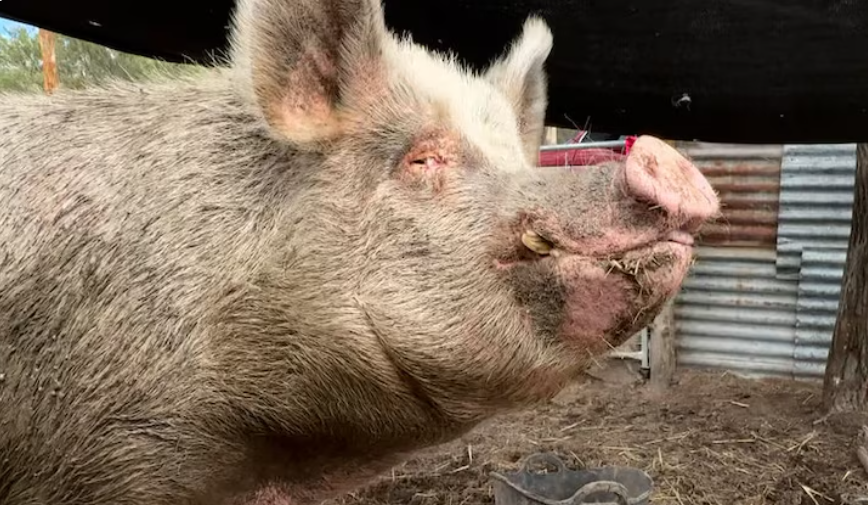
My introduction to the joys of working in regional TV news was a flock of sheep. Or more specifically, dirty sheep bums.
I was a young TV journo covering a story on flystrike, and the cameraman and I spent the better half of an afternoon filming the back ends of the cruddiest little woolly creatures we could find.
But even that pales in comparison to the day I was sent to cover a story at a pig abbatoir in 35-degree heat.
So bad was the stench that neither the cameraman nor I could wash the stink off ourselves, no matter how hard we tried. We reeked of pig for days.
At least when our TV station covered the grand opening of an ostrich abbatoir, the unsavoury surrounds were offset somewhat by the gift boxes of ostrich steaks, ostrich dip and ostrich kabana we were handed for our trouble.
Ah. The delights of being an on-the-road reporter.
Worse things can happen.
I recently wrote about ‘death knocks’ being the newsroom job that nobody ever wants, but there’s another task radio journos used to dread: vox pops.
I say ‘used to’ because the practice of sending a journalist out to gather comments from people in the street isn’t as common as it used to be. And if you’re a radio journo, that makes me happy for you, because I’d rather poke myself in the eye with a blunt stick than stick a mic in the face of a random person waiting in the lunch queue at Maccas.
It could be argued that most jobs have crappy elements to them, but stress-inducing occupational hazards are a way of life in journalism, including fierce competitiveness among peers and the constant pressure of ever-looming deadlines.
In recent years, newspaper reporters and broadcasters made the list of the worst jobs in America.
A study found low income, ongoing job instability and stress put journalism jobs on a par with waitressing and washing dishes.
That is very unfair to the waitresses and dishwashers. When was the last time they had to front up to a pig abbatoir or walk through the restaurant asking people who should be Prime Minister?
Every job has its perks but there is only so much ostrich kabana one can tolerate.
This article is brought to by Radio Release.

Image: ABC



Back in the day, regional TV stations ran fully-staffed newsrooms with local readers, a weather presenter and journos doing three yarns a day, three yarns and an LVO if you were unlucky.
They had a dedicated Master Control Room, studio space and switched their own ad breaks.
Despite the many changes to legacy media, there will always be demand for smelly pig yarns.