What's New
BY RadioToday Network July 26, 2026
What's New March 18, 2026
Women in footy broadcasting: How the goal posts have shifted
Reporter
It was the late 1980s and the talkback lines to 3AW were jammed.
Blokes all over Melbourne were blowing a gasket, because Channel Seven had hired a woman as an AFL boundary rider.
But the tidal wave of radio criticism was a walk in the park compared to the horrendous things Dixie Marshall endured on match days.
“I was spat on. I had beer cans hurled at my head. There were death threats,” Marshall tells former Triple M Breakfast host Luke Darcy on the Empowering Leaders podcast.
At one stage, there was even a bomb threat at Channel Seven’s South Melbourne studios.
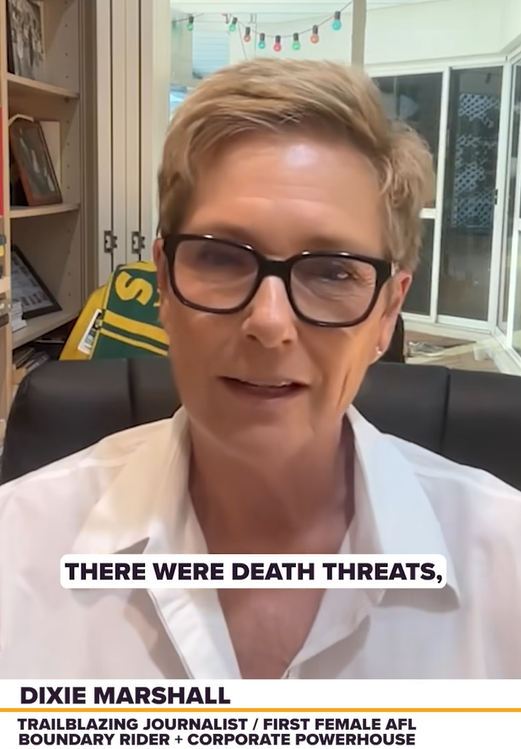
She pushed on regardless. Then in her mid-twenties, Marshall says of her breakthrough arrival on the sports broadcasting scene: “We fought for it, because we felt that I needed to have the same opportunity as my male colleagues.”
Sports presenter Joh Griggs recalls many moons ago when television bosses pushed for a Baywatch-style promo.
“They wanted all of their network talent in bikinis, running along the beach, slapping each other on the bum,” Joh says.
“I said ‘Well, put it this way. I’ll do it when you have Bruce McAvaney in a pair of sluggos, running along a beach, hitting – I dunno – a couple of guys on the arse.’”
“And that was the end of the conversation.”
Marshall’s appointment all those years ago was a defining moment for sports broadcasting in this country.
Fast forward nearly four decades and this month, we saw a mammoth defining moment for radio.
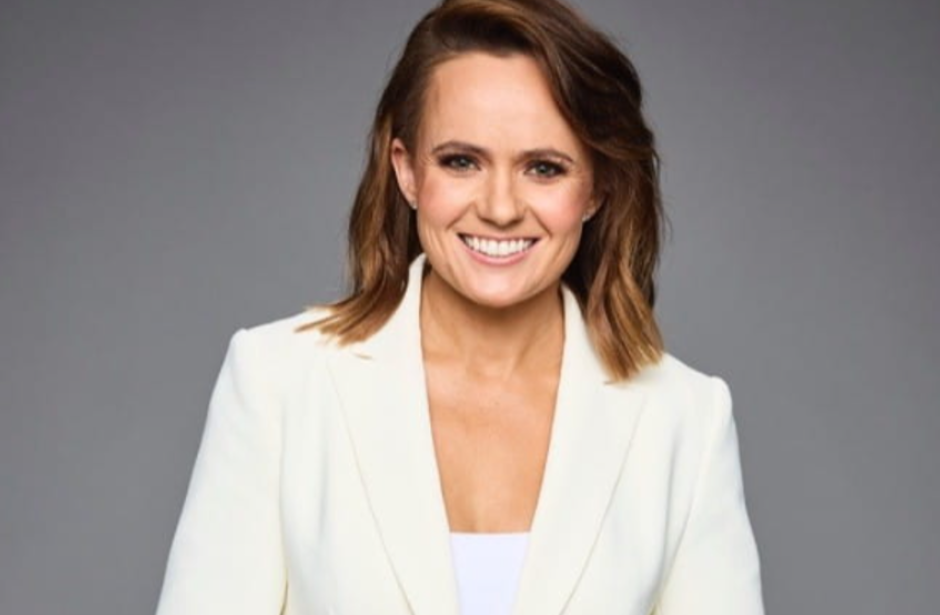
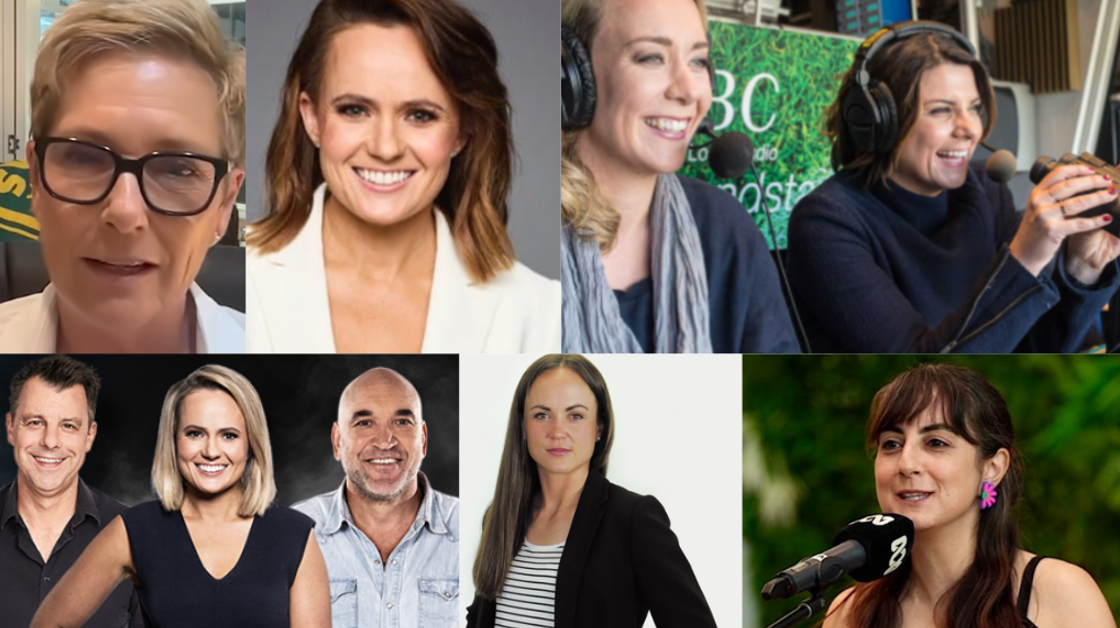
When Triple M’s Emma Lawrence was announced as the first female NRL play-by-play caller in the league’s broadcast history, it marked a huge shift in the sports media landscape.
For SCA’s Head of Sports Content Ewan Giles, the appointment was a no-brainer, describing Lawrence as one of the sharpest broadcasters in the game.
In an interview with Serena Ahern as part of Radioinfo’s Wisdom of Women in Media series, ABC Sport Deputy Editor Amanda Shalala reflected on how the goal posts have shifted:
“Coming into the industry, my first job was as the inaugural women’s sports broadcasting intern for ABC TV Sport. Basically they decided that there weren’t enough women in sports broadcasting so they created a year long traineeship.”
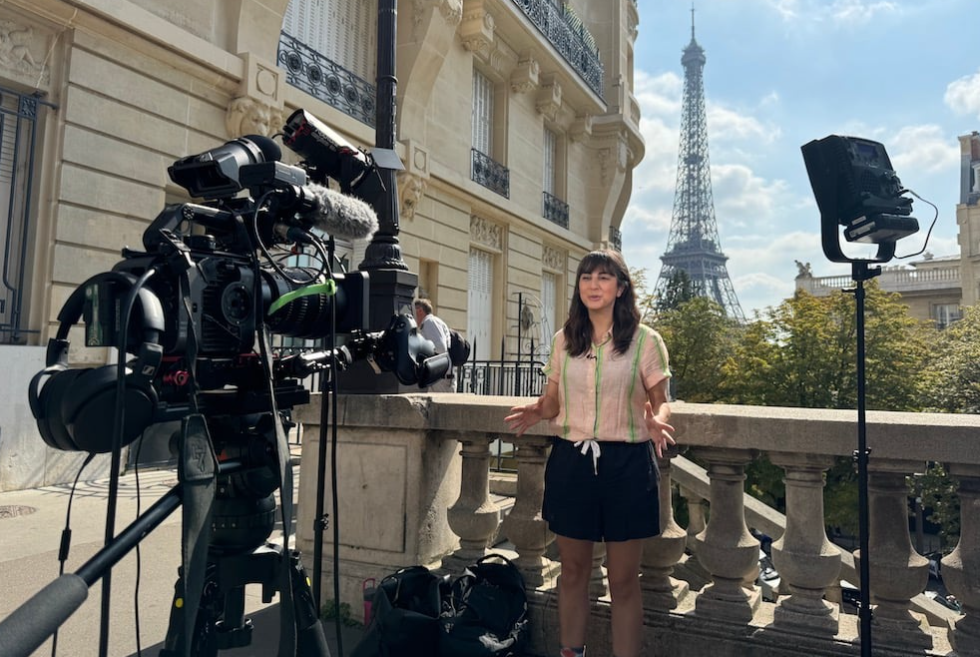
“I came across people who are the absolute titans of the industry like Karen Tighe, Debbie Spillane and Tracy Holmes, incredible powerful women who have blazed the trail for women in sports journalism and in sports broadcasting.”
When Kelli Underwood became the first woman to call a men’s AFL game on TV, she spoke frankly about the resistance she faced.
Underwood – who embarked on the road to radio footy commentary as a Match Day reporter for 3AW before crossing over to the ABC in the early 2000s – said “The best way to describe it – I put my hand on the door handle before anyone thought a woman had earnt the right to walk through the door.”
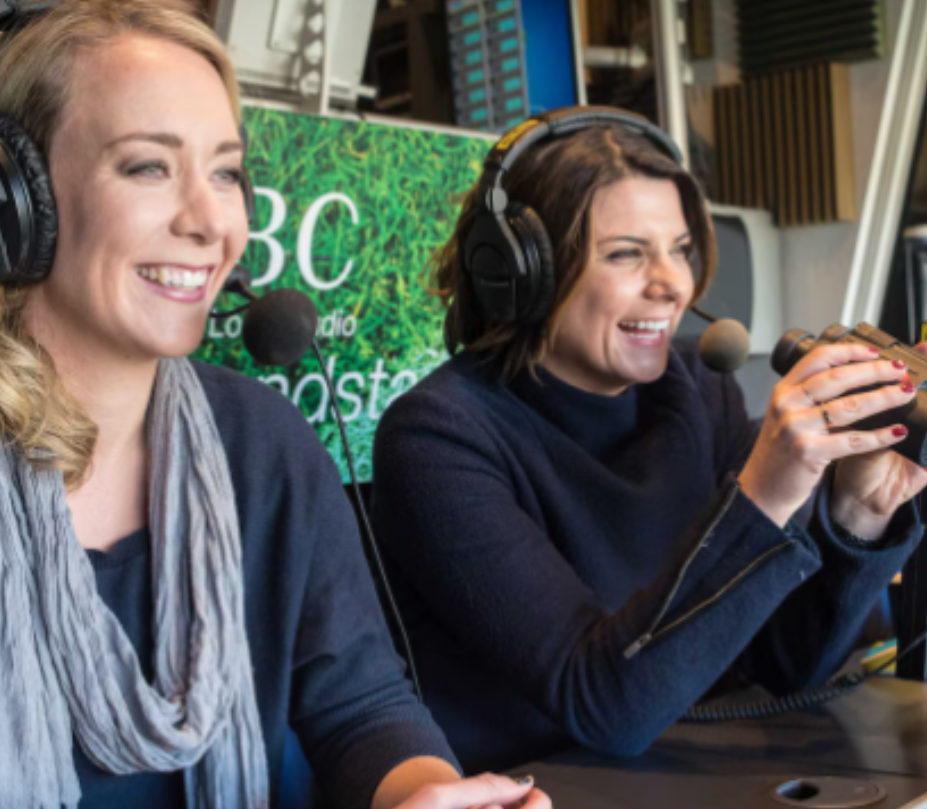
But as Underwood notes, the days of females commentating solely on female sport are long gone.
And with good reason.
“This is actually changing the face of what sports commentary looks like, to bring different flavours, options and expertise.”
Recent comments (0)
Post new comment