What's New
BY RadioToday Network June 4, 2026
What's New March 11, 2026
The sauce on the source
Reporter
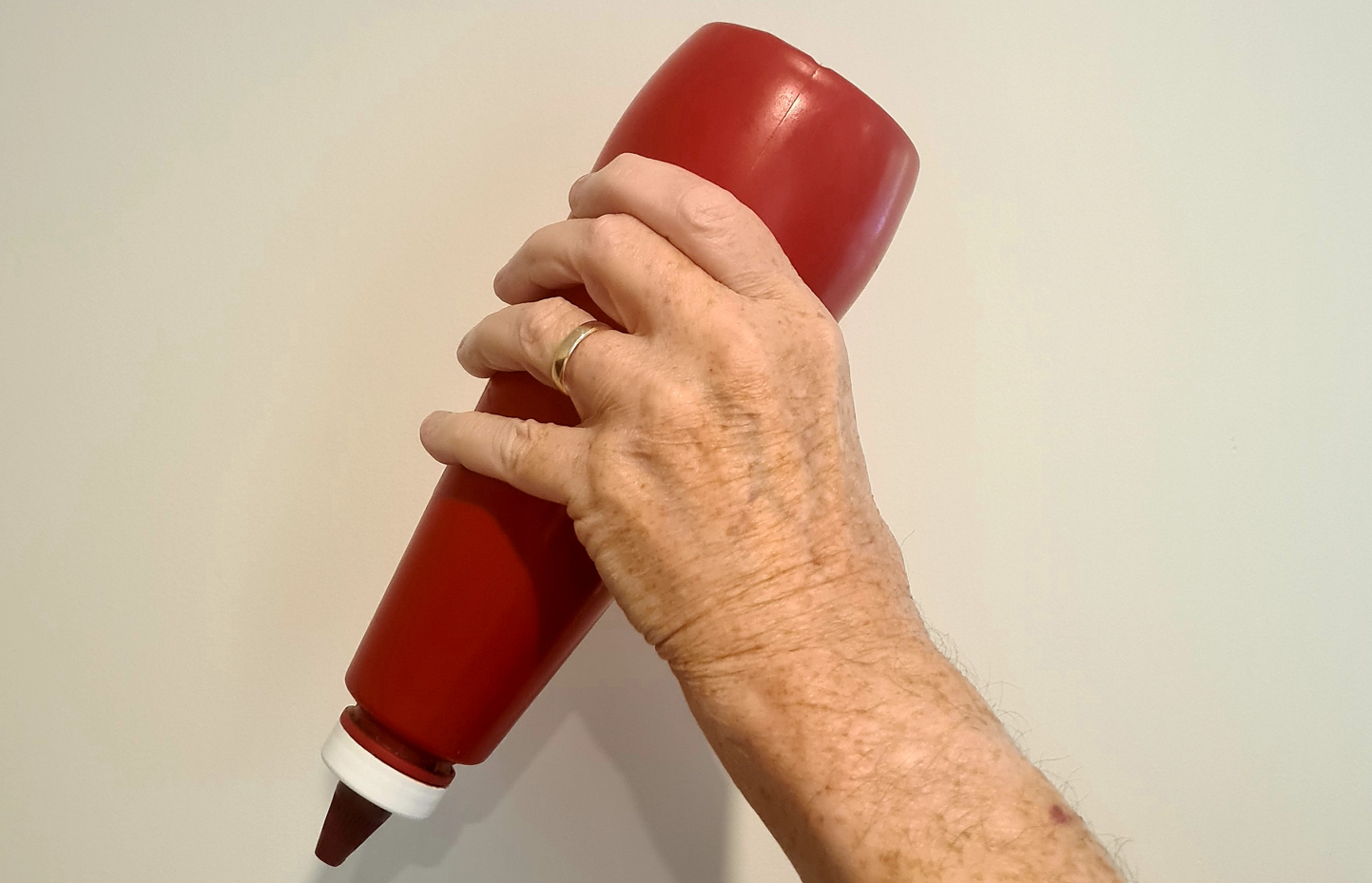
In the news cycle over the past week, I’ve seen more ‘special sources’ than you’d find on the Gravox shelf at Coles.
Stories like the Kyle & Jackie O Show collapse unleash more than just an online torrent of clickbait headlines. As competing publications fall over themselves in the rush to get the scoop and stay ahead of the pack, there’s an ever-increasing tendency to quote anonymous sources.
When official comment is not forthcoming, credible sources are the oil that greases the wheels of journalism.
Well-placed, reliable sources can add weight and interest to a story.
But what about the dodgy ones? Sources variously and benignly described as ‘those familiar with the situation,’ ‘insiders,’ ‘close friends,’ or even ‘pals’?
Some pal you are, if you’re willing to shop out your mates.
There’s a fine line between landing your scoop and landing yourself in credibility detention.
Relying on anonymous sources is obviously risky. Quite apart from the possibility of reporting false information, it screams speculation – even manipulation – especially if somebody has an axe to grind.
In other words, somebody with an agenda.
During my FM radio days, I remember a certain phrase creeping into the odd news bulletin: We’re hearing …
As in: We’re hearing another truck is stuck under a bridge
We’re hearing a high-profile celebrity has died
We’re hearing there’s been a fatal crash in the CBD
We’re hearing? From whom??
It was a simple, if lazy, way of trying to cover one’s journalistic backside in case something turned out to be untrue.
We’re hearing does nothing to reassure the listener that what they’re hearing is factual.
The same applies with the over-use of anonymous sources.
Former Guardian Editor-in-Chief Alan Rusbridger recalls once reading a 1,000-word political story containing no less than 19 anonymous sources, including a ‘senior insider’ (“Have you ever read anything attributed to a ‘junior insider’?, Rusbridger scoffs), a ‘senior source,’ two more ‘insiders,’ a ‘government source,’ as well as a ‘senior No. 10 source,’ another ‘insider,’ plus another ‘source’ (just the everyday, garden-variety kind).
“I’m not saying these people don’t exist, or aren’t who they were claimed to be,” Rusbridge muses.
“But as an innocent reader, I am being asked to take a lot on trust.”
This article is brought to you by Radio Release.

Related news
What's New
BY Sarah Patterson June 4, 2026




… another good one is “recent research says”, they asked their mates in the office!!!
I have no problem with “We’re hearing” and strongly disagree it does nothing to reassure the listener that what they’re hearing is factual…. I wouldbt use it all the time but what it actually says to the listener is literally we are hearing and now you are possibly for the first time… we’ll dig around and come back with more on the story afte we find out what’s going and verify ourselves etc.. the listener is more inclined to then wait for the next update no go dial surfing. What I do think has become way over used is “in breaking news” – in my opinion that has resulted at times in inaccurate reporting a thirst for news outlets to outdo each other. Would rather be late with a story and factual the early and have to issue apologies.
Fox FM in Melb when I was much much younger used to intro their news by saying “Hello Joe Bloe at the source” source of what… Austereo wankery at its best!