Australia Audio Awards
BY RadioToday Network June 5, 2026
What's New June 2, 2025
If it bleeds, should it lead?
Reporter
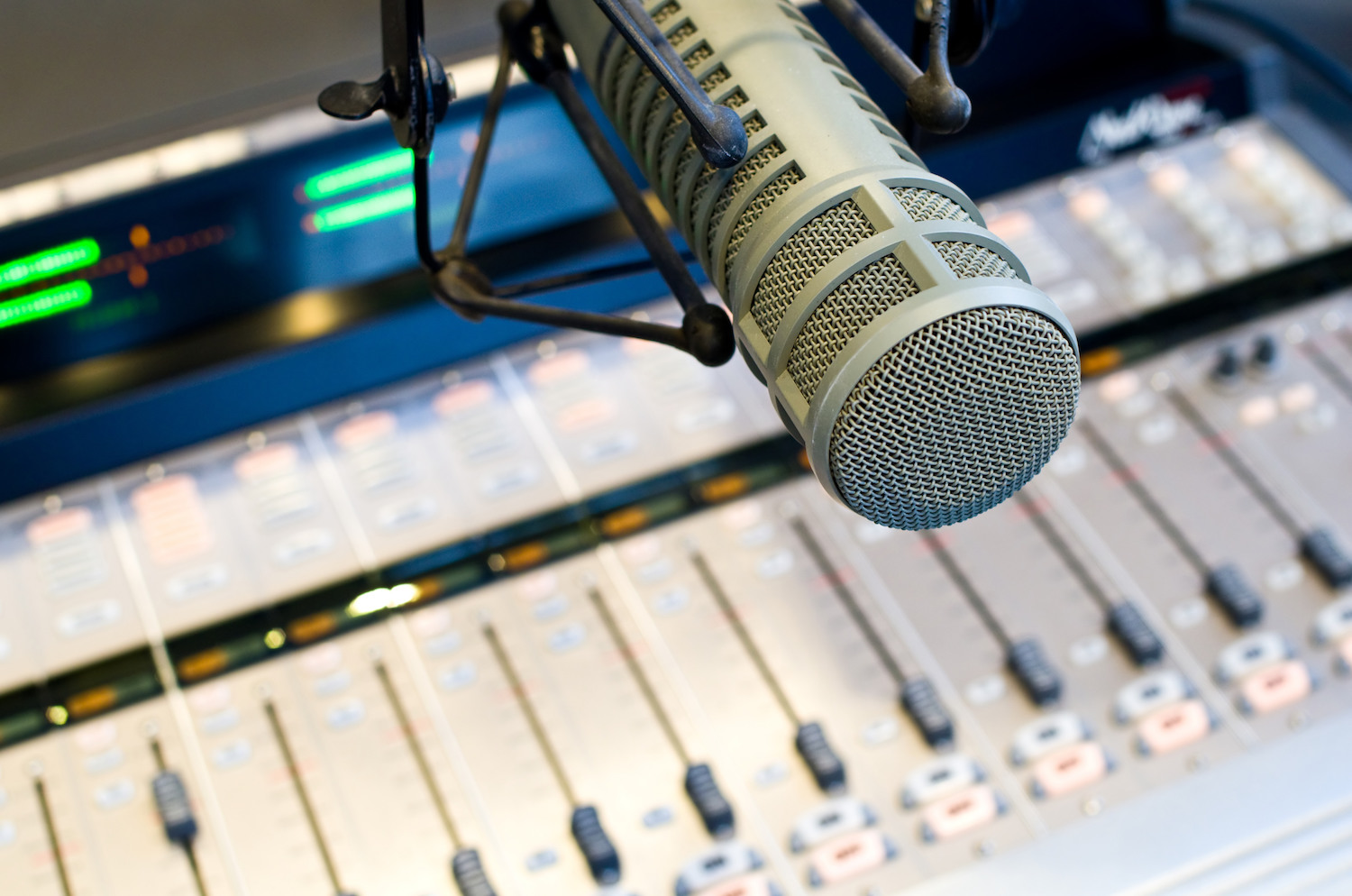
For a radio journalist, it’s a daily – if not hourly – conundrum:
Which story should I lead with?
It took me years to reach this conclusion, but when it comes to putting together a news bulletin, there’s no such thing as the ‘right’ lead story. I prefer to think of it as the obvious lead story.
Just because every other radio station is running a different lead story to yours, it doesn’t mean your choice is wrong.
Lead stories are subjective. What we choose to run at the top of our bulletin is determined not just by its relevance, but by our own emotional and visceral reaction to it.
Does it make us feel angry? Sad? Heartbroken? How will it make the listener feel?
There’s no rigid, set, mathematical formula, and nor should there be. We decide with our heart as well as our head.
But whatever you choose, bear in mind your lead story is the one by which the listener will judge your entire bulletin, so consider that it’s not just what we write, but how we write it.
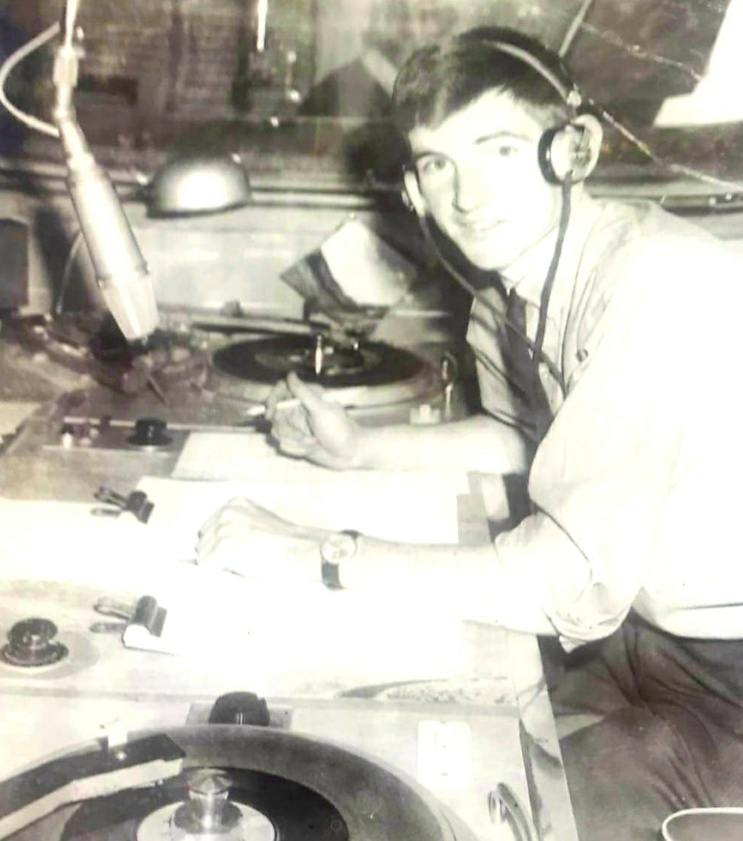
Former 3KZ and Gold 104.3 News Director Michael Lynch believes the broader criterion for lead story selection can be determined by one question: Of the available stories for a particular bulletin, which affects or is of greatest interest to the majority of our listeners?
“That, to me, should be determined by journalistic instinct and to some extent by sheer common sense,” he tells Radio Today.
“Commercial copywriters have often said that unless you attract the interest/attention of the radio listener in the opening line of a 30 second ad, the rest of the commercial is likely to fall on deaf ears.”
Lynch says the same theory can be applied to the lead story of a radio news bulletin.
“That opening par or sentence will determine whether you hold your listeners’ attention for the other five or six stories in the bulletin.”
He says the first paragraph in any lead story should be an attention-getter. This, he believes, relies heavily on a journalist’s creative writing skills … and also their sense of theatre.
“For example, the prosaic line “The Federal government says the latest CPI figures are disappointing …” is a legitimate opener, but hardly an attention-getter.”
“However, the interests of few if any listeners would not be piqued by this lead story’s opening line: “Gaza is the hungriest place on earth! That declaration from the UN today as Israel attacks more aid seekers.”
It was back in the 1890s that American newspaper publisher William Randolph Hearst coined the phrase If it bleeds, it leads, having noticed that stories about horrific incidents were the ones that grabbed the readers’ attention.
In modern times, Lynch believes the ‘If it bleeds, it leads’ theory has been the fall-back position for far too many news organisations.
“While no one is suggesting for a minute that a stabbing incident on the Gold Coast in which a man was taken to hospital with serious stomach wounds doesn’t rank a spot in the bulletin, it should not, in my opinion, take precedence over a story in which the Salvation Army, for example, says the rising cost of living has seen a dramatic lift in the number of Australians seeking its help to put food on the table.”
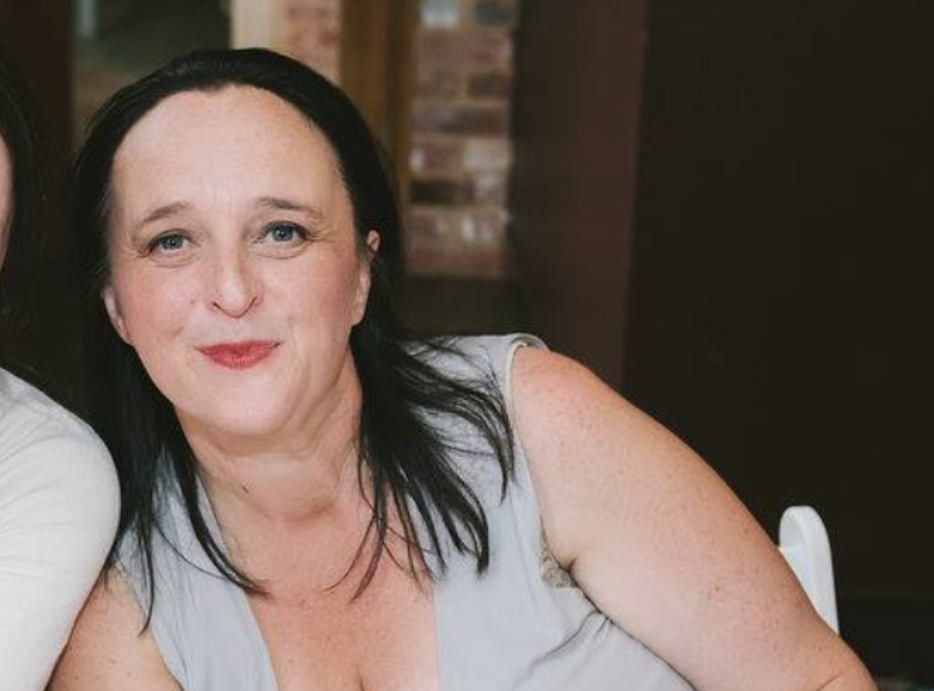
Experienced radio journalist and former metro News Director Nikole ‘Gunners’ Gunn agrees the top news item should ideally take into account how the story affects us.
“Look for a lead story that impacts your audience,” she says. “What’s happening in our backyard first?”
As for the ‘If it bleeds, it leads’ theory, Gunners says “It does sound pretty cold and heartless and to a degree, it does still guide editorial decisions made when putting together a bulletin.”
But she says that we really need to understand the sentiment behind it.
“It’s not necessarily the ‘gore factor’ or ‘morbid curiosity’ but recognises human interest in what’s happening to others. A little bit of ‘did you hear what happened? Glad it’s not me!’”
Gunners says in a way, ‘if it bleeds, it leads’ reflects ‘hyper-localism.’
“It also satisfies the ‘what the hell?’ reaction to things like school shootings in the US.”
If you’re worried your lead story sounds a bit dull, tweaking the intro to make it more relevant to the listener can make all the difference.
Take interest rates, for example. Instead of opening your news bulletin with “The RBA has kept interest rates on hold for another month …” try “Mortgage holders have been spared another interest rate hike.”
But sometimes there’s a fine line between fact and fiction. Don’t fall into the trap of exaggerating the truth with a clickbait headline.
And whilst news and sport might be considered separate entities, never be afraid to run a sports story at the top of your news bulletin, especially if you’ve got a cracking piece of audio to go with it.
Nothing unites the country and fosters national pride quite like an Australian athlete or sporting team doing great things on the world stage. Think the Matildas. The Olympics. The America’s Cup.
It’s time to back yourself and your choices.
Once you start going with your gut feeling and remembering that there’s no right or wrong, you’ll never look back.
Sarah Patterson is a radio journalist of more than 30 years, former Breakfast News Presenter on Triple M’s Hot Breakfast with Eddie McGuire, WIN Television Bureau Chief, Radio Today Editor, podcaster and former News Director at Air News.
Recent comments (0)
Post new comment
Related news
What's New
BY RadioToday Network June 5, 2026