What's New
BY Sarah Patterson June 3, 2026
What's New November 20, 2025
Call yourself a journo?
Reporter
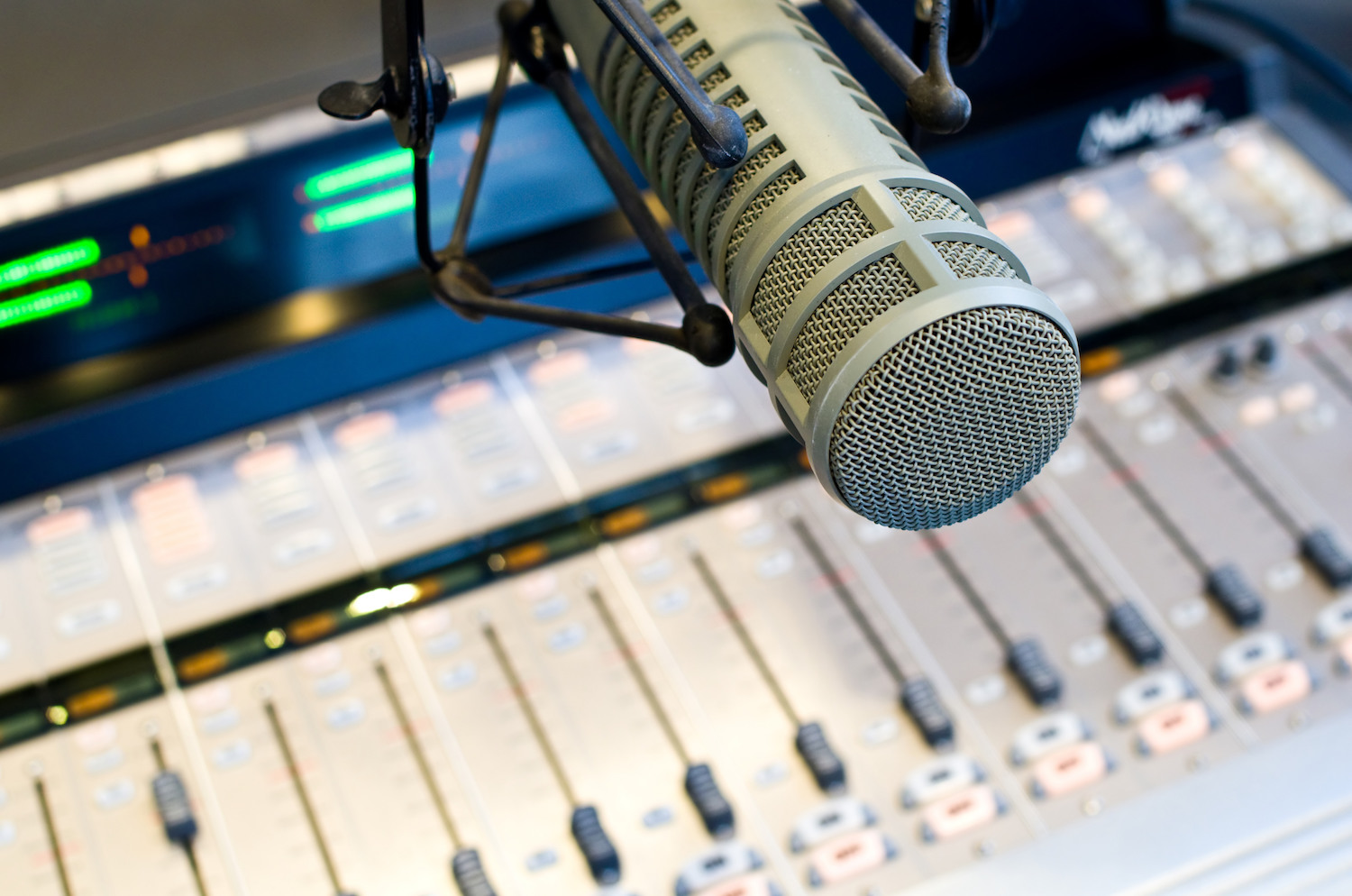
Surgeons don’t get their qualifications off the back of a Cornflakes pack, but you’d be forgiven for thinking some journalists do.
They might not perform brain surgery, but journalists do shoulder an enormous weight of responsibility. The parameters, however, have changed.
Why are people with no obvious journalistic experience calling themselves journalists?
Quite apart from being a tad insulting to those who’ve actually done the hard yards, journalism is not the fashion equivalent of a funky one-size-fits-all jacket somebody just plucked off the rack.
Anyone can claim to be a journalist. But how many actually adhere to the professional, legal and ethical standards once demanded of the job?
Broadcasting legend George Donikian recently expressed concern over the rise in people using mobile technology to publish content – without having nearly enough experience or understanding of how potentially dangerous it can be.
“The way I see it is, a journalist goes through a huge learning process. Learning how to cope with the responsibility of the facts and the information that they’re revealing and putting to air, publishing or posting.”
For the ABC’s Hamish Macdonald, the more the media landscape evolves, the more resolute he feels about his own unwavering approach to journalism.
As Macdonald recently shared with me “I still feel proud of the journalism I do. I am aware that what I do is changing, and the reputation of it is changing.”
“I grew up in that very old school form of journalism where it wasn’t about your opinion. It wasn’t about your take on the story. It wasn’t about using news as a vehicle for pushing your own world view, necessarily.”
“I still really hold firm to that. Maybe that’s less of a popular – or less of a trendy way – of being in the media industry today, but it’s still what I really, really believe there’s a place for.”
Whilst it’s true you don’t need a formal qualification or degree to be a journalist, training is vital.
Cadetships and internships provide a wealth of real-world experience. However, journalism cadetships for high school graduates in Australia are less common than they used to be. While some still exist – particularly through legacy organisations like the ABC or regional newspapers – many employers nowadays prefer their cadets to have a university degree.
Words have power. They can build, break, uplift or destroy, as actor Mishmee Das can attest:
“The pattern of twisting words and crafting misleading, clickbait headlines has caused real harm. I’ve even lost work because of how something was misrepresented about me.”
“I’ve come to realise that journalism is not just about writing. It’s about writing ethically.”
For Das, it all boils down to accountability.
“Freedom of expression does not mean freedom from responsibility. The online space has made it far too easy for people to hide behind social media handles and churn out whatever gets the most clicks, likes or engagement.”
Das says perhaps it’s time for certain ‘journalists’ and portals to be taken to task for the way they manipulate narratives, exploit privacy and trade integrity for attention.
“Because in the end, journalism isn’t just about stories. It’s about truth. And when truth gets twisted for entertainment, everyone loses.”
If truth, integrity, credibility and authenticity are what consumers are truly wanting from their news content, then those qualities should be reflected in the people presenting it.
This article is brought to you by Radio Release.

Related news
What's New
BY Sarah Patterson June 3, 2026



Once one particular major player (we all know who I’m talking about) convinced its readers that the words ‘news’ and ‘opinion’ were interchangeable, the battle for ethical journalism was lost. After that it was open slather. The stage was set when the education system lost interest in teaching critical thinking – the average person’s only defence against fake news.
I threw up in my mouth a little bit at the hypocrisy of Hamish Macdonald’s comment.
It seems that if the journalism is massively left-wing biased, it’s fine, but if it’s right-wing biased it’s not.
The only answer to this is for all journalists to take the blinkers off and ADMIT they have a worldview and a bias, state what it is clearly, and go from there.
This “I’m unbiased” lie has to stop.
The ABC is no less biased than Sky News, but only one admits its bias, and doesn’t force people by law to pay for its service. THINK about that for a minute or two.
Call yourself a journo?
You’d have to ask the AI cloned learning models that SCA use for their low quality local news bulletins that used to be relied upon by regions across Australia.
AI in 2025 can’t do a better job than a properly trained journalist.
Poor form.