Podcasting
BY Sarah Patterson May 27, 2026
Podcasting November 24, 2025
Troubled Waters podcast prompts reopening of coronial investigation
Reporter
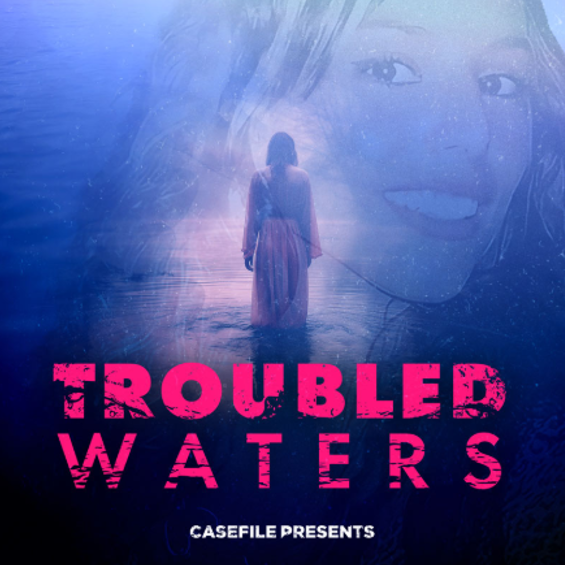
An independent podcast is being credited with triggering the reopening of an Australian coronial investigation.
Last week, the Victorian Coroners Court confirmed it will reopen the investigation into the 2011 death of Louisa Ioannidis, following new information and renewed public attention generated by Troubled Waters.
Hosted by Acast, the 10-part investigative podcast was released last year by Casefile Presents.
The reopening of the case marks a significant milestone not only for the Ioannidis family, who have sought answers for more than a decade, but also for Australia’s independent podcasting sector.
Hosted by private investigator Julia Robson and produced by Clare McGrath, Troubled Waters worked closely with the Ioannidis family to re-examine the circumstances surrounding Louisa’s death.
The podcast uncovered new material, highlighted inconsistencies and ultimately sparked the chain of events leading to the case being reopened.
Robson’s investigation prompted a team of pro bono lawyers to undertake a fresh review of the case. They commissioned an independent forensic pathologist to re-examine the original autopsy and police brief.
His findings reinforced the concerns raised in Troubled Waters and added further weight to calls for the case to be reconsidered.
Guy Scott-Wilson, Content Director at Acast ANZ, says the moment demonstrates how independent podcasts are increasingly filling gaps left by shrinking newsrooms.
“This decision shows that rigorous investigative journalism can still come from outside traditional media institutions. Independent podcasts now have the credibility, audience reach and persistence to surface new evidence, support families and influence real-world outcomes.”
The Ioannidis case is the second example in Australia this year of independent podcasts contributing to developments in long-running investigations.
In January, Queensland Police confirmed a listener tip-off – prompted by two episodes of Australian True Crime – led to the arrest of a fugitive wanted in connection with the 1997 murder of Meaghan Louise Rose.
According to data from Acast’s newly released Podcast Pulse 2025, drawing on global research conducted by Differentology, audiences now rate podcast hosts as equally credible as journalists (33% each).
Scott-Wilson says this trust is translating into tangible outcomes.
“True crime podcast listeners behave like a distributed investigative network – they’re engaged, detail-oriented, and willing to come forward with information. We’re now seeing podcasts participate in the justice process, not just document it,” he says.
A Casefile Presents series, Troubled Waters is hosted by Acast and available wherever you get your podcasts.



Outcomes like this will only strengthen the case for podcasting as a tool for families who feel they have been let down by the system. Credit to all involved.