What's New
BY Sarah Patterson June 18, 2026
What's New May 29, 2026
AUDIO ACADEMY | Spotify’s Prithi Dey on Building Better Podcasts in 2026
Audio Academy – a joint initiative of radioinfo and Abe’s Audio.
Hear from experienced professionals across the audio industry
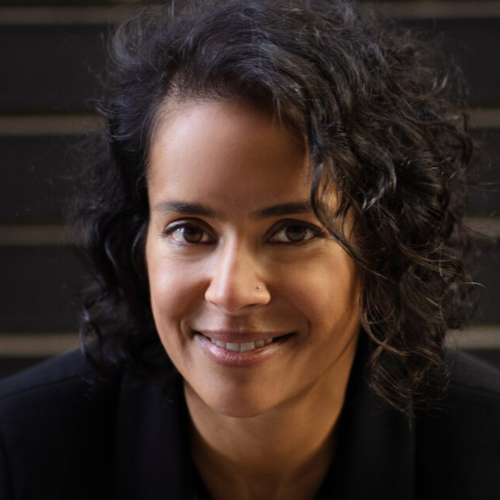
Prithi Dey has an extensive background in music, publishing, and branded content. Currently Head of Podcasts AUNZ at Spotify, she plays a pivotal role in shaping creator strategies and driving podcast growth for one of the world’s largest streaming platforms.
We sat down with Prithi to talk about podcast audience growth, video podcasting, monetisation, discoverability, creator strategy, and why podcasting in 2026 looks completely different to what it did even a few years ago.
What Makes Listeners Keep Coming Back to a Podcast?
According to Prithi, successful podcasts always give audiences a reason to return.
That reason might be:
- A compelling story
- A cliffhanger
- A relatable host
- Entertainment
- Habit
- Community
- Or emotional connection
“It’s about having a reason to come back,” she says.
Some podcasts become part of a listener’s daily routine. Others become part of their personality or emotional world. Prithi says creators need to think carefully about what audiences are supposed to take away from the experience.
Why The First 60 Seconds of a Podcast Matter
One of the strongest insights from the conversation was around podcast intros and audience retention. Prithi says the first minute of a podcast episode is often the deciding factor for new listeners.
“If you don’t hook them early, they’re gone,” she explains.
And one of the biggest reasons listeners leave? Too many ads, too early.
Some podcasts overload the beginning of episodes with multiple pre-roll ads before audiences have even connected with the content itself. That creates friction immediately.
For podcasters, it’s an important reminder that strong intros, early engagement and listener trust matters.
Are Host-Read Ads Better Than Traditional Podcast Ads?
In short: yes.
Prithi believes host-read sponsorships almost always create a better listener experience than generic inserted ads, because they feel authentic.
When hosts genuinely integrate brands into the show in ways that align with their personalities, audiences, and content styles, listeners respond much more positively.
Spotify’s retention data shows that audience drop-off often begins where inserted ad markers appear. Host-read ads can reduce that friction because they feel more conversational and natural.
That’s why podcast sponsorships perform best when:
- The host genuinely connects with the product
- The ad feels integrated
- The tone matches the show
- The audience trusts the recommendation
Authenticity matters just as much as reach.
Does Podcast Production Quality Matter More Than Content?
Prithi’s answer was clear – content comes first. But more specifically, connection comes first.
She referenced podcasts like Psychology of Your 20s, which originally grew from recordings inside a car – not a professional studio. What made the show succeed wasn’t expensive podcast production. It was relatability.
Another example highlighted was Mystery Mondays, where the creator simply speaks directly to camera from her bedroom floor with a minimal setup. The audience connects with the storytelling.
People stay for (and love) authenticity.
Do Podcasts Need Video in 2026?
This is one of the biggest conversations in podcasting in 2026.
According to Prithi, there’s still absolutely a place for audio-only podcasts. Narrative podcasts, documentaries, investigative storytelling, and highly produced audio formats still work incredibly well without video. But there’s no denying video podcasting is growing rapidly.
Spotify data shows:
- More than 500 million users have streamed a video podcast
- Video podcast consumption is growing year-on-year
- Younger audiences increasingly expect visual content
Video also opens new monetisation opportunities through:
- Brand integrations
- Product placement
- Visual sponsorships
- Multi-platform social content
That doesn’t mean every podcast needs video. But creators now need to think strategically about how video fits into their broader content ecosystem.
What Should New Podcasters Focus On First?
Prithi believes new creators need to answer one critical question before launching:
Why does my podcast exist?
Who is it for?
What value does it offer?
What should listeners feel afterwards?
“Understanding your audience is the most important part,” she says.
She also strongly recommends creators record video from day one whenever possible – even if they don’t immediately publish full video episodes, because discoverability depends heavily on multi-platform content.
Podcast growth no longer happens purely inside podcast apps. Creators need:
- Social clips
- Shorts
- Reels
- Multi-platform content
- Audience engagement
- Community interaction
Video gives creators far more flexibility to grow audiences organically across platforms.
How Is Podcasting Evolving?
According to Prithi, 2026 has become a major turning point for podcasting. Large platforms, including Spotify, Apple, and iHeart, are all investing heavily in video podcast infrastructure and creator tools. At the same time, monetisation options are expanding rapidly.
Spotify has introduced:
- Dynamic host-read advertising
- Creator memberships
- Better sponsorship tools
- Audience engagement tools
- Improved analytics and monetisation support
Their goal is to help creators remain sustainable and independent while maintaining ownership of their audience and content ecosystem.
Prithi also says creators should always ask questions. There’s a huge amount of misinformation around podcast monetisation and distribution, so creators need to understand:
- Hosting
- Distribution
- Revenue models
- Platform strategy
- Audience ownership
- Monetisation options before committing to a setup
How Does Spotify Support Creators?
Spotify’s focus is ultimately about enabling creators to grow, and the platform provides:
- Audience discoverability
- Engagement tools
- Monetisation support
- Data insights
- Community development, and
- Creator education
Spotify has also launched initiatives like Studio Hours, designed to connect independent podcast creators with industry experts and broader podcast communities.
Many creators spend hours recording, editing, and publishing alone – often without support networks. Building community around creators themselves is becoming increasingly important across the industry.
Is There an Ideal Podcast Episode Length?
Prithi says podcast audiences are definitely moving back toward longer-form content. While ultra-short podcasts had a moment, listeners are now spending more time with creators again.
Her recommendation? Aim for at least 15 minutes minimum, and longer if the content supports it.
Short-form clips still play a huge role in discoverability. Short videos, snippets, and highlights help attract audiences, while longer episodes deepen connection and retention.
It’s not either/or anymore. An effective podcast strategy requires both.
And remember – despite all the platform shifts and technology changes, the core principle remains the same. People come back to a podcast for connection.
Listen to our full chat with Prithi here.
Recent comments (0)
Post new comment